

Blog
Masteron (Drostanolone): The Complete Guide to Propionate vs Enanthate, Benefits & Safety
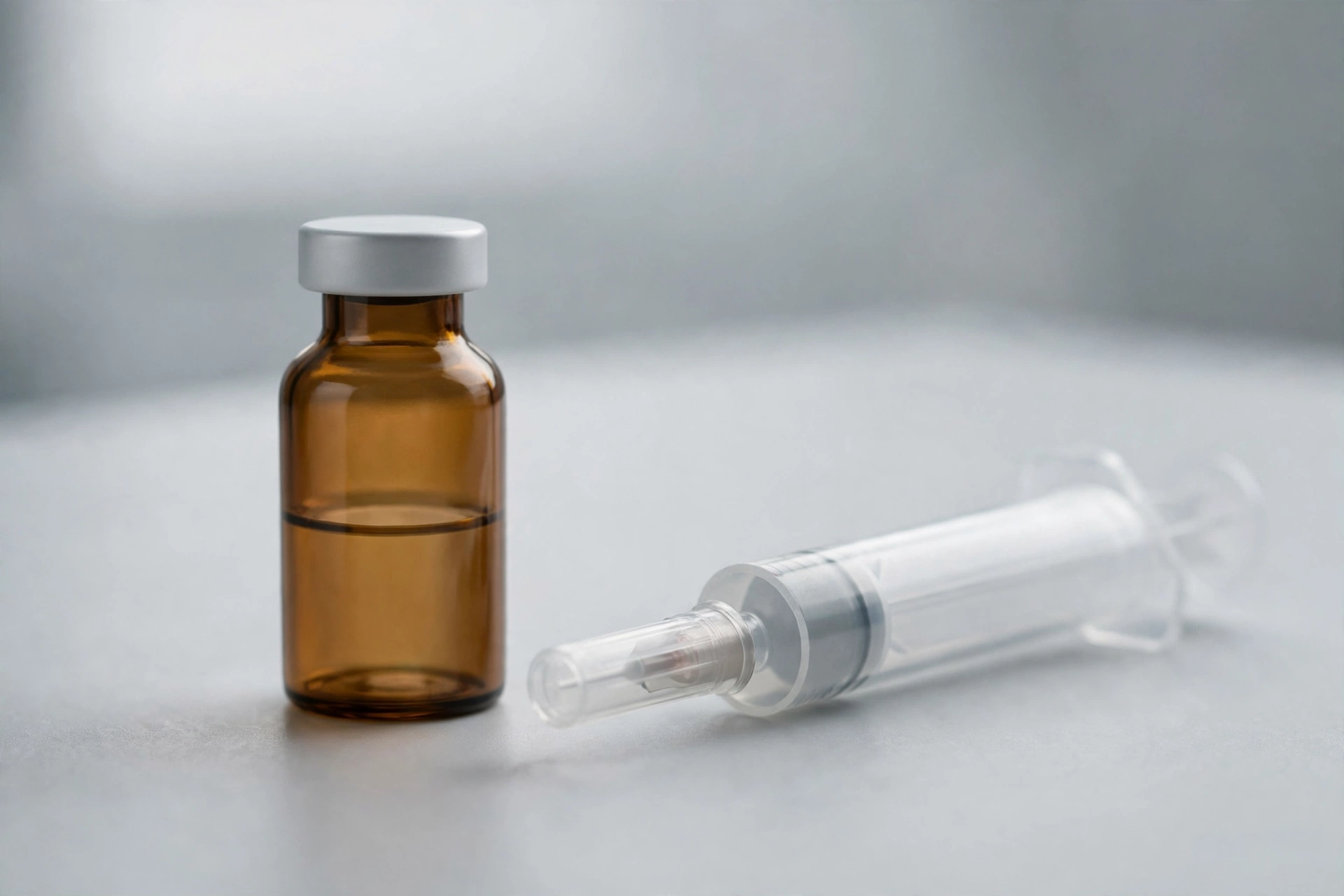
Masteron is the best-known trade name for drostanolone, a DHT-derived injectable anabolic steroid prized during cutting phases for producing a hard, dry, defined look without water retention. Unlike testosterone, it does not convert to estrogen in the body, so an aromatase inhibitor is typically unnecessary alongside it. It comes in two ester forms — propionate (short-acting) and enanthate (long-acting) — and our store carries both: Masteron Propionate 150mg/ml and Masteron Enanthate 200mg/ml.
This complete guide covers what drostanolone is, how it works, how the two esters compare, reported benefits, documented side effects and health risks, post-cycle therapy, and the legal status of Masteron in Canada. This article is educational information only — it is not medical advice. Anabolic steroids carry real health risks, and you should speak with a qualified healthcare professional before making any decisions about them.
What Is Masteron (Drostanolone)?
Masteron is the trade name for drostanolone, chemically a 2α-methyl derivative of dihydrotestosterone (DHT) — the potent androgen the body produces from testosterone via the 5α-reductase enzyme. Developed in the late 1950s, it was used in medicine for a time — including for advanced breast cancer — before falling out of clinical use. Today it exists almost entirely in the performance-enhancement world, where it is sold as an oil-based injectable in our injectable steroids range.
The 2α-methyl modification defines the drug: it adds a methyl group to the DHT backbone, improving anabolic character while preserving DHT’s strong androgen-receptor binding. Because the molecule is already 5α-reduced, it cannot be aromatized — the aromatase enzyme only acts on androgens that retain the Δ4 double bond, which drostanolone lacks. The pharmacology of these structural classes of anabolic steroids is reviewed in detail in the peer-reviewed literature.1
How Masteron Works: Why It Doesn’t Convert to Estrogen
Masteron works like other anabolic steroids at the receptor level: it binds to androgen receptors in muscle and other tissues, supporting protein synthesis and nitrogen retention, which helps preserve strength and muscle tissue. What makes it distinctive is what it doesn’t do: with no estrogen conversion, it avoids the water retention, bloating, and added gynecomastia risk of aromatizable compounds such as testosterone or Dianabol.
That property explains its reputation as a “finishing” compound. It is most often used at the tail end of a cutting phase, when body fat is already low, to bring out muscle definition, vascularity, and a dry, hardened appearance. It is sometimes described as mildly anti-estrogenic — not because it blocks estrogen directly the way an aromatase inhibitor does, but because it occupies androgen receptors without contributing any estrogenic activity of its own. For estrogen control on aromatizable cycles, see our estrogen management on cycle guide covering aromatase inhibitors and SERMs.
Two practical notes: Masteron is not a mass builder — its moderate anabolic potency shines in already-lean physiques rather than producing dramatic size gains. And as a DHT derivative, its side-effect profile skews androgenic (hair, skin, prostate) rather than estrogenic, as covered in the risks section below.
Masteron Propionate vs Masteron Enanthate
The active hormone is identical in both products; only the attached ester differs, and the ester controls how quickly the drug releases from the injection depot into the bloodstream. Here is how the two compare:
| Feature | Masteron Propionate | Masteron Enanthate |
|---|---|---|
| Ester half-life (approx.) | ~2 days | ~8–10 days |
| Injection frequency (commonly reported) | Every other day | Once or twice per week |
| Onset of noticeable effects | 1–2 weeks | 3–4 weeks |
| Typical reported cycle length | 6–8 weeks | 8–12 weeks |
| Water retention | None (no aromatization) | None (no aromatization) |
| Best suited for | Short cutting phases, pre-contest finishing | Longer cutting phases, fewer injections |
| Injection volume per dose | Smaller, more frequent shots | Larger, less frequent shots |
The choice comes down to preference and planning: propionate clears faster for shorter phases, while enanthate means fewer weekly injections and steadier levels over longer cycles. Neither ester changes drostanolone’s underlying risk profile.

Reported Benefits of Masteron
The benefits most commonly reported — and why it appears in cutting stacks — include:
- Muscle hardness and density. The signature effect: with no estrogen conversion and no water retention, muscles look drier and more defined, especially at lower body-fat levels.
- Strength support. As a DHT derivative with strong androgen-receptor binding, it helps maintain strength during calorie deficits, when strength loss is otherwise common.
- No estrogenic side effects. No aromatization means no added risk of gynecomastia or estrogen-driven bloating from this compound itself — a key reason it is chosen over aromatizable alternatives for finishing phases.
- Libido support. Androgens generally support sex drive, and users often report maintained or increased libido, in contrast to the suppression-related low libido seen with some other compounds.
- Stacking synergy. It is frequently combined with testosterone in cutting phases, where its dry profile complements wetter base compounds. Stacking multiplies risks as well as effects — see the safety sections below.
One realistic expectation: Masteron does not burn fat directly. Results depend on diet, training, and already-low body fat — it reveals conditioning rather than creating it.
Side Effects and Health Risks
Masteron’s risks follow its DHT-derived nature. The peer-reviewed literature documents the following categories of harm for anabolic steroid misuse, and they apply to drostanolone as to the class generally.1,2,3
Androgenic side effects
- Hair loss. DHT and its derivatives can accelerate male-pattern hair loss in people genetically predisposed to it — one of the most commonly reported complaints with Masteron.
- Acne and oily skin. Increased sebum production can cause acne on the back, shoulders, and chest.
- Body-hair growth and prostate effects. Androgens can increase body-hair growth and may enlarge the prostate, with possible urinary symptoms — a particular consideration for men over 40.
- Virilization in women. Deepening of the voice (which can be irreversible), clitoral enlargement, and facial-hair growth are documented consequences of androgen misuse in women.2
Cardiovascular and metabolic effects
Anabolic steroids reliably worsen lipid profiles — lowering protective HDL cholesterol and raising LDL — which increases long-term cardiovascular risk. Reviews document adverse effects on lipids, blood pressure, and cardiac structure with sustained use.3 DHT-derived compounds are not exempt from these effects.
Hormonal suppression
All anabolic steroids suppress the hypothalamic–pituitary–gonadal axis through negative feedback. In men this causes reversible suppression of sperm production, testicular shrinkage, infertility, and erectile dysfunction during and after use — collectively described as anabolic steroid-induced hypogonadism.2 Recovery follows no fixed timeline, and a pre-existing fertility disorder can be unmasked once use stops.
Injection-related risks
As an oil-based injectable, Masteron carries the risks of any intramuscular injection: pain, swelling, sterile abscesses and — with non-sterile technique or shared needles — bacterial infections and blood-borne viruses such as HIV and hepatitis B and C.3
Bloodwork, Sterile Technique & When to See a Doctor
Anyone using anabolic steroids despite the risks is strongly advised to get bloodwork before, during, and after any cycle. Markers worth discussing with a doctor include total and free testosterone, LH and FSH, estradiol, a full lipid panel, liver enzymes, hematocrit and hemoglobin, blood pressure and — for men over 40 — PSA.
Sterile injection technique is non-negotiable: single-use needles and syringes, alcohol-swabbed vial tops and injection sites, proper intramuscular sites (glute, ventrogluteal, or thigh), and never sharing equipment.
See a doctor promptly if you experience chest pain or pressure, severe shortness of breath, one-sided leg swelling, signs of infection at an injection site (spreading redness, heat, fever), severe or cystic acne, urinary difficulty, breast-tissue tenderness or lumps, or significant mood changes including depression or aggression. These can signal serious complications that need medical — not internet-forum — management.
Do You Need PCT After Masteron?
Yes — Masteron suppresses natural testosterone production like any anabolic steroid, so post-cycle therapy (PCT) is needed to help restore the hormonal axis after a cycle ends. Because drostanolone does not aromatize, estrogen rebound is less of a concern than with testosterone-based cycles, but HPG-axis suppression still occurs.2
Standard PCT uses SERMs such as tamoxifen (Nolvadex) or clomiphene (Clomid) to stimulate LH and FSH production. Timing matters: PCT should begin only after the ester has largely cleared — roughly a few days after the last propionate injection, or around two weeks after the last enanthate injection. For the full picture, see our guide on post cycle therapy.
Is Masteron Legal in Canada?
Drostanolone is explicitly listed as a controlled substance in Canada: it appears as subitem 11 under “Anabolic steroids and their derivatives” in item 23 of Schedule IV to the federal Controlled Drugs and Substances Act.4 Schedule IV substances are regulated — unauthorized manufacture, trafficking, import, or export can lead to serious criminal penalties. Products sold outside regulated pharmacies also carry added risks of contamination, mislabelling, and unknown dosing.
Frequently Asked Questions
Does Masteron aromatize into estrogen?
No. Drostanolone is a 5α-reduced DHT derivative and is not a substrate for the aromatase enzyme, so it does not convert to estrogen — hence no water retention, and no need for an aromatase inhibitor when it is used on its own.1
Is Masteron good for bulking?
Not particularly. Its anabolic potency is moderate, and its strengths — hardness, definition, and a dry look — show best in already-lean physiques. It is overwhelmingly used in cutting phases rather than mass-building ones.
Masteron propionate vs enanthate — which should I choose?
The hormone is identical; the ester only changes the release speed. Choose propionate for shorter phases and faster clearance from the body, or enanthate for longer cycles with fewer weekly injections. The side-effect and risk profile is the same either way.
Will Masteron shut down natural testosterone?
Yes. Like all anabolic steroids, drostanolone suppresses the HPG axis through negative feedback, reducing LH, FSH, sperm production, and natural testosterone.2 Plan for post-cycle therapy and bloodwork rather than assuming a “mild” compound means an easy recovery.
References
- Kicman AT. Pharmacology of anabolic steroids. British Journal of Pharmacology. 2008;154(3):502-521. DOI: 10.1038/bjp.2008.165. PMID: 18500378. (Verified via PMC2439524.)
- Nieschlag E, Vorona E. Mechanisms in endocrinology: Medical consequences of doping with anabolic androgenic steroids: effects on reproductive functions. European Journal of Endocrinology. 2015;173(2):R47-R58. DOI: 10.1530/EJE-15-0080. PMID: 25805894. (Verified via PubMed.)
- Basaria S. Androgen abuse in athletes: detection and consequences. Journal of Clinical Endocrinology & Metabolism. 2010;95(4):1533-1543. DOI: 10.1210/jc.2009-1579. (Verified via citing literature.)
- Government of Canada. Controlled Drugs and Substances Act, Schedule IV, item 23: “Anabolic steroids and their derivatives including: (11) Drostanolone.” Justice Laws Website. https://laws-lois.justice.gc.ca/eng/acts/C-38.8/20190919/P1TT3xt3.html (Verified via official schedule text.)
Disclaimer: This article is for educational and informational purposes only and does not constitute medical advice. Anabolic steroids are controlled substances with documented health risks. Always consult a qualified healthcare professional before making decisions about your health.